Late on January 2 and into the early morning of January 3, U.S. military forces, acting under orders from President Donald Trump, entered Caracas, Venezuela, and detained Venezuelan President Nicolás Maduro and his wife, Cilia Flores, in a coordinated operation aimed at removing Maduro from power and bringing him to the United States to face criminal charges, according to U.S.
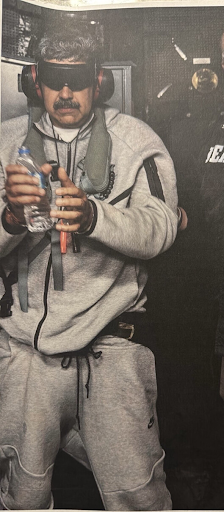
officials.
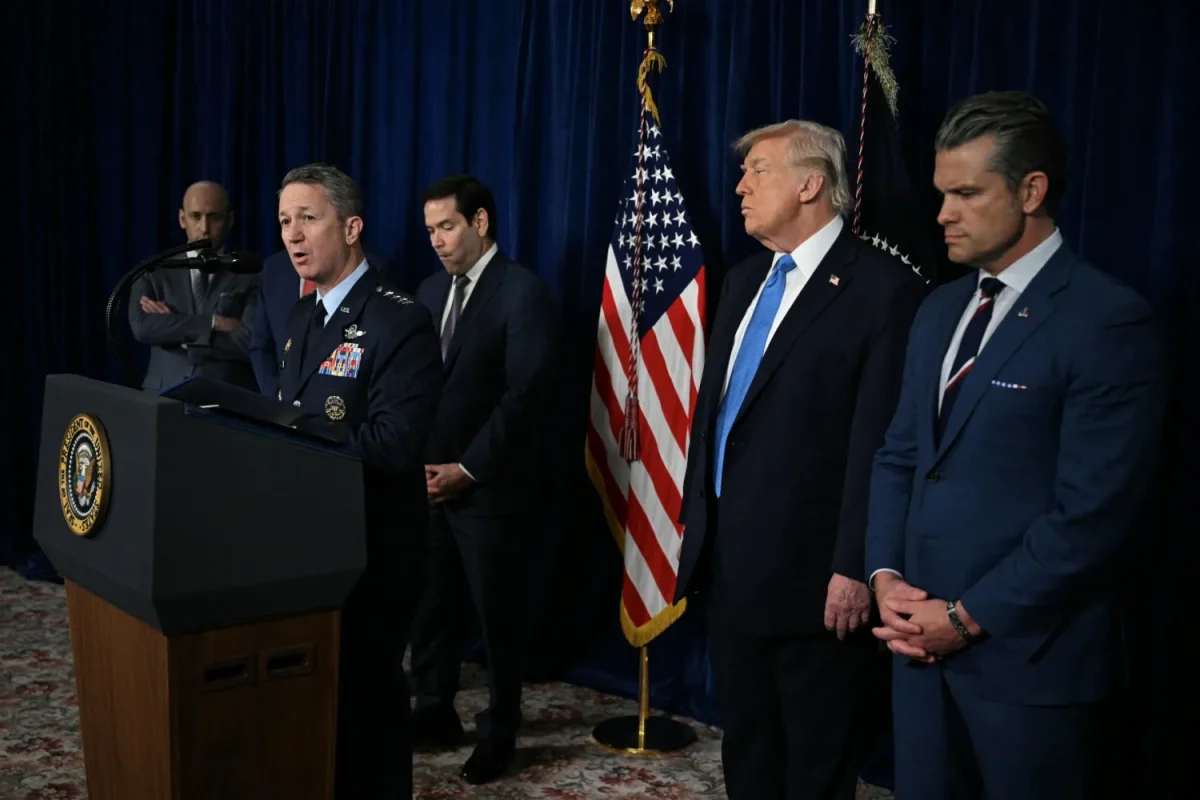
At a press briefing on January third, Chairman of the Joint Chiefs of Staff Dan “Raizin” Caine outlined the details of the operation. He stated that months ago, U.S. intelligence agencies began to monitor and learn Maduro’s habits. They learned where he lived, what he wore, what he ate, and where he traveled. In early December, American troops were ready to strike; however, officials delayed the operation to ensure favorable weather conditions, minimizing civilian casualties while maximizing the element of surprise.
At 10:46 PM EST on January second, President Trump authorized the mission, remarking, “Good luck, and Godspeed.” The U.S. forces arrived at Maduro’s compound at 1:01 AM EST. After arrival in the target area, American forces encountered resistance and returned fire in what officials described as self-defense. Once in the compound, Maduro and his wife gave up and were quickly taken into custody. While leaving, the U.S. forces participated in multiple self-defense engagements. These engagements, however, resulted in no loss of American life. U.S. aircraft left the area at 3:29 AM EST, returning home with both detainees.
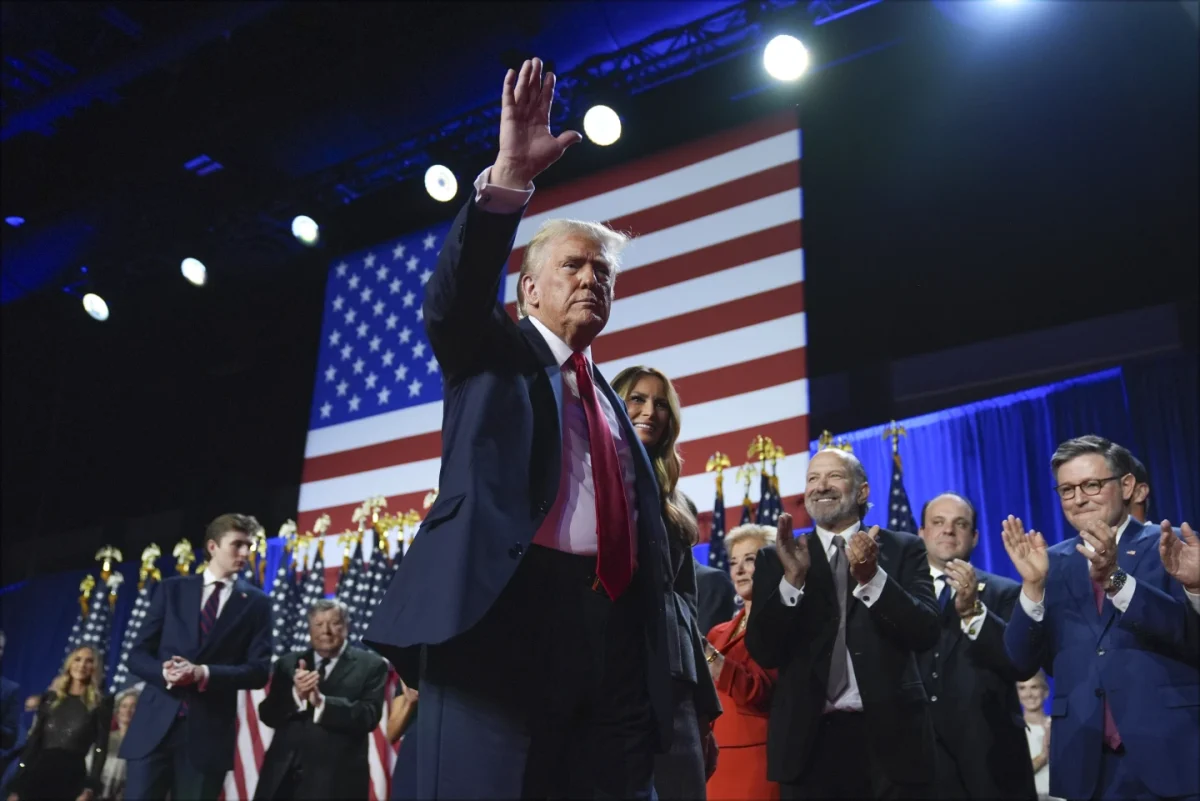
During the same briefing, Trump stated that the removal of Maduro from power would give the Venezuelan people independence and freedom. He also claimed that Venezuela’s oil infrastructure was “run-down” and said U.S. oil companies would help repair it.
“In addition, Venezuela unilaterally seized and sold American oil, American assets, and American platforms, costing us billions and billions of dollars.” The president says, and he promises to take back our property and make sure that “American dominance in the western hemisphere will never be questioned again.”
Nicolás Maduro, 63 years of age, is a member of the “United Socialist Party of Venezuela,” and has served for more than two terms as president. First elected in April of 2013, then re-elected in 2018, Maduro oversaw numerous
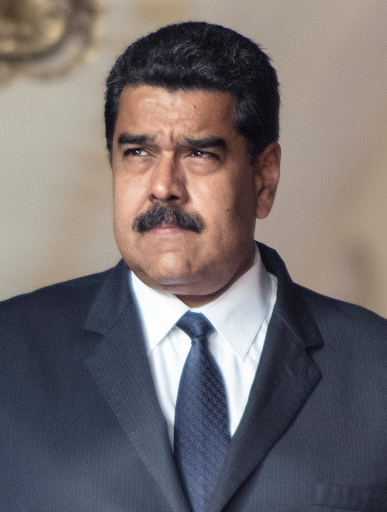
economic and humanitarian crises, along with repeated nationwide protests that led to a sharp decline in popularity. In 2024, despite accusations of falsifying election results, Maduro was sworn in for a brief third term, which ended after one year due to his indictment and capture by United States forces.
After being captured, Maduro and his wife arrived in New York on Saturday, January third. They are expected to stand trial on charges of narco-terrorism conspiracy, cocaine-importation conspiracy, and possession of, and conspiracy to possess, machine guns. Maduro’s vice president, Delcy Rodríguez, is currently serving as Venezuela’s interim president. However, Donald Trump stated at a press briefing that “We [America] are going to run the country until such time that we can do a safe, proper, and judicious transition.”
Maduro’s removal marks a significant escalation in U.S. involvement in Venezuela, raising questions about international law, regional stability, and the country’s political future as Venezuelans and global leaders await what comes next.